By Dr. Chris Cormier, DC — EBOO Prime
Here is a way of looking at sleep that almost nobody uses, and it changes how you set up your night.
Sleep is the longest continuous breathing session of your day.
Seven to nine hours. Usually in a closed room. Usually with the same air circulating. And in all that time you are not consciously managing any of it — your breathing is running entirely on autopilot, which is exactly why it is worth understanding what that autopilot needs.
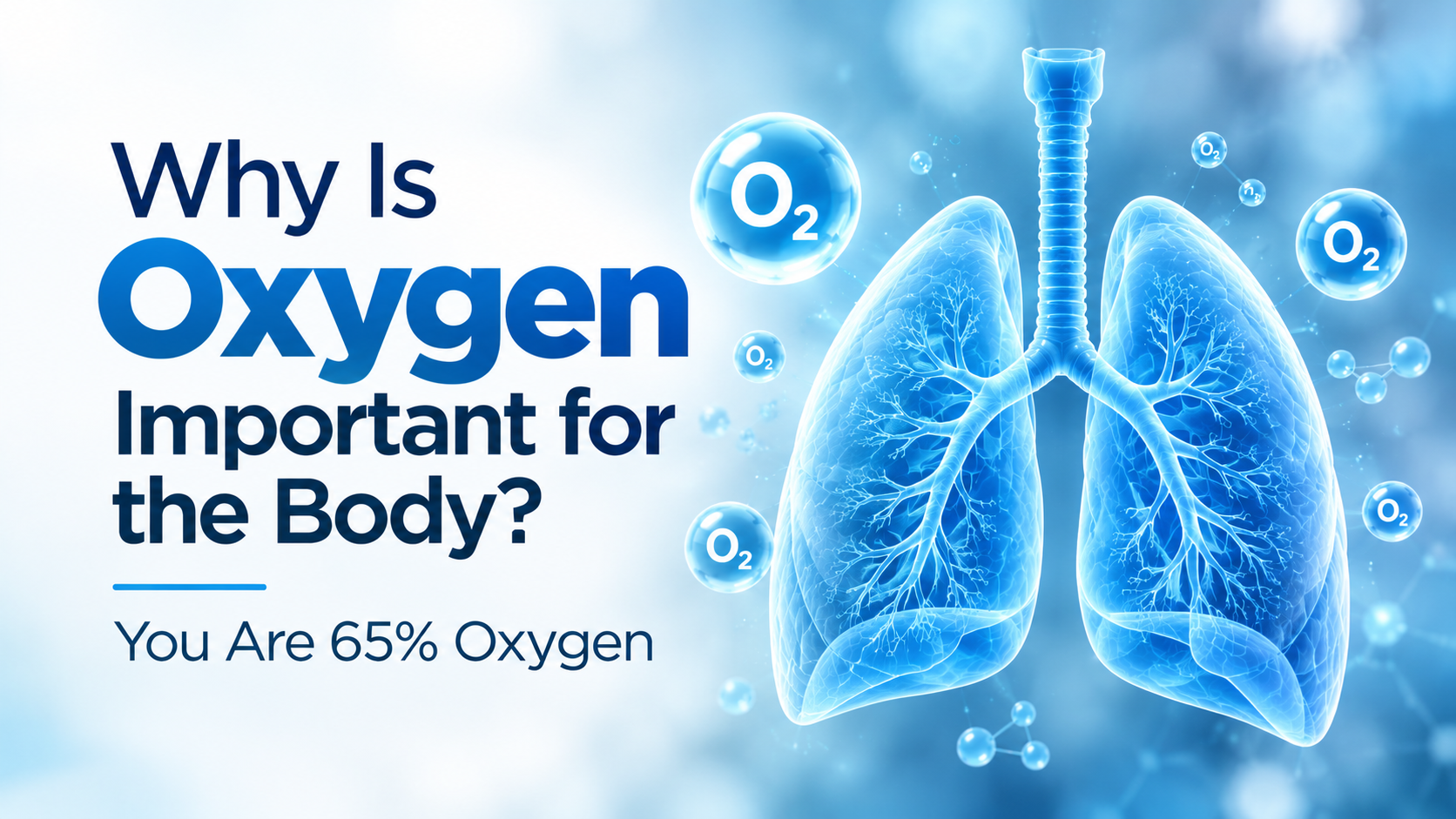
Oxygen is the first ingredient in every one of your roughly 30 trillion cells. It is the O in the OWL Method and it is the whole premise of what we do here. So it makes sense to look at what happens to it during the third of your life you spend asleep.
What your body is doing with oxygen while you sleep
Sleep is not a shutdown. It is the body’s most concentrated period of repair — tissue rebuilding, immune activity, memory consolidation, hormone release. All of that is metabolic work, and metabolic work runs on oxygen.
In a healthy night, blood oxygen saturation stays high and steady. Breathing slows and deepens, your heart rate settles, your core temperature falls, and the parasympathetic side of your nervous system takes the lead. Steady oxygen is the backdrop that lets all of that happen.
Which raises the obvious question: what is actually in the air you are breathing for those eight hours, and is it moving?
The room you breathe in
Air that moves
Most bedrooms are closed boxes overnight. The worst case is simply stagnant air — not circulating, not refreshing, just being re-breathed in a sealed room until morning.
The fixes are small and most of them are free:
- Crack a window where the climate and the street noise allow it. Even an inch changes the room.
- Run a fan on low for circulation, which also helps you hit the temperature target below.
- Air the room out in the daytime — ten minutes with the window wide open does more than people expect.
- Add filtration if you are near a busy road, in a dusty area, or dealing with allergies.
Temperature, because it changes your breathing too
Your core temperature begins to fall roughly two hours before sleep and keeps falling through the night. Sleep researchers generally point to 65 to 68°F as the useful bedroom range, with around 65°F often named as optimal.
In a room that runs too warm, deep slow-wave sleep measurably drops, sleep efficiency falls and waking increases — and a restless, fragmented night is a different breathing night than a settled one. Cool room, settled breathing, deeper sleep. They are the same system.
Darkness, position and the rest
A properly dark room matters, and most bedrooms are nowhere near dark — which is why a sleep mask is the highest-value small purchase in this whole area. Sleeping position matters too: back and side are the two worth training into, with a thinner pillow on your back and a thicker one on your side so your neck stays in line with your spine.
The full room-by-room setup is covered in detail on The Nerve Health Institute, and the night-by-night version you can run yourself is on BodyCharger.
If you are doing all that and still waking tired
This is the most important section on this page, and on a site about oxygenation it is the section that has to be here.
If your room is cool, dark and ventilated, your surface suits you, and you are still waking unrefreshed after seven or eight hours — that pattern deserves a proper medical look, because it very often has a specific and highly treatable explanation that has nothing to do with the room.
Obstructive sleep apnea affects around a billion adults worldwide, and the majority of cases are never diagnosed. It is the most common medical cause of excessive daytime sleepiness. The signs worth knowing:
- Loud snoring, particularly if a partner has mentioned it.
- Witnessed pauses in breathing, gasping or choking during sleep.
- Waking unrefreshed however long you were in bed.
- Morning headaches, dry mouth or a sore throat.
- Getting up to urinate at night.
If several of those land, ask your physician about a sleep study. Home sleep tests have made this far simpler than it used to be. Getting it identified and treated changes people’s lives — and nothing on this page, or any page, substitutes for that diagnosis and the treatment that follows it.
We say that plainly because clarity is what we want this brand known for. The strongest position in wellness is being the people who tell you exactly what is ours and exactly what is not.
So where does EBOO actually sit?
Let us be precise, because precision here is the whole point.
What EBOO is
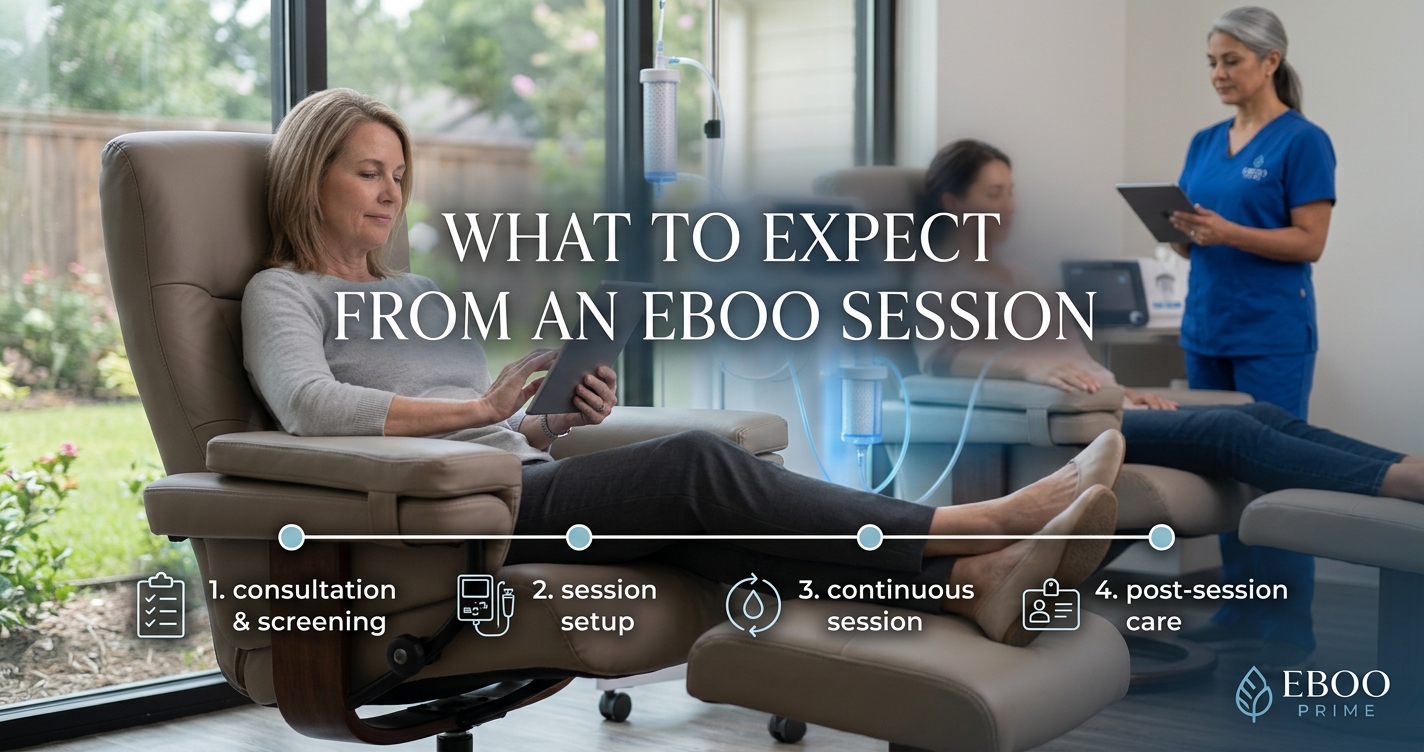
Extracorporeal blood oxygenation and ozonation is a supportive wellness therapy focused on circulation and oxygenation. Blood is drawn, passed through a filter and an oxygenation and ozonation stage, and returned. The full description of the process is on our what is EBOO and how it works pages.
People come to it as part of a wider wellness picture — usually alongside training, nutrition, hydration, light exposure and sleep, not instead of any of them.
What EBOO is not
It is not a treatment for sleep apnea, and it is not a treatment for any sleep disorder. It is not a substitute for a sleep study, for a diagnosis, or for whatever your physician prescribes afterwards. If your breathing stops overnight, the answer to that is a diagnosis and the right treatment — full stop.
We are comfortable saying so, because a brand that is clear about its boundaries is a brand you can trust inside them. Our FAQ page takes the same approach to every other question people ask us.
Where the two actually meet
The honest connection between this page and this therapy is not a claim. It is a frame.
Oxygen is foundational — awake and asleep, in the room and in the blood. People who take oxygenation seriously tend to take it seriously everywhere, and the bedroom is the single most overlooked place to start. Eight hours a night of stagnant air is a large thing to leave unexamined if oxygen is something you care about at all.
That is why this article exists on an oxygenation site. Open the window first. It is free, it is tonight, and it is the same principle running through everything else we do.
The wider framework
OWL: oxygen, water, light
Oxygen, water and light, supported by frequency, magnetism and nutrients. The bedroom version is simple — air quality is oxygen, hydration through the day is water, darkness at night and daylight in the morning are light. Three levers, all free, all available tonight.
Circulation as the delivery system
Oxygen in the lungs is only useful if it reaches the tissue, which makes circulation the other half of every oxygen conversation. We looked at that in detail in our piece on circulation and pelvic floor health, and the logic carries across the body.
When it is nerve function rather than oxygen
Sleep quality, autonomic balance and pain travel together, and when the autonomic side is the driver, that is clinic work — the 88-nerve assessment and in-person protocols at The Nerve Health Institute.
What to do tonight
- Open the window or put a fan on low. Stop re-breathing a sealed room.
- Set the thermostat to 68°F and work down from there.
- Get the room genuinely dark — a mask is the fastest route.
- If you still wake tired after a week of that, book the sleep study. That is the next step, and it is a medical one.
Frequently asked questions
Does oxygen affect sleep quality?
Oxygen is what every repair process running overnight depends on, and sleep is the longest continuous breathing session of your day. Stagnant air, an overheated room and fragmented sleep all pull in the same direction, which is why ventilation and temperature are the first two things to fix.
Should I sleep with the window open?
Where climate and noise allow it, yes — even slightly open changes the room. If that is not practical, a fan on low for circulation or a filter does a similar job. The goal is simply that the air is not sitting still for eight hours.
Can EBOO therapy help with sleep apnea?
No. EBOO is a supportive wellness therapy focused on circulation and oxygenation, and it is not a treatment for sleep apnea or any sleep disorder. If you have signs of apnea, see your physician about a sleep study — that diagnosis and the treatment that follows are what the condition needs.
What is EBOO actually for, then?
It sits within a wider wellness picture focused on circulation and oxygenation, alongside training, nutrition, hydration, light and sleep rather than in place of them. Our what is EBOO and how it works pages set out the process in full.
What temperature should my bedroom be?
Between 65 and 68°F, with around 65°F often cited as optimal. Your core temperature falls naturally before and during sleep, so a cool room supports the process while a warm one works against it and costs you deep sleep.
I sleep eight hours and still feel exhausted. What should I do?
Fix the room first — ventilation, temperature, darkness, surface. If a week of that changes nothing, ask your physician about a sleep study, especially if there is snoring, witnessed pauses in breathing, morning headaches or night-time urination.
Talk to us
If circulation and oxygenation are part of the wider picture you are building, we will tell you straight whether EBOO fits it. Make an enquiry and we will go through it with you properly.
Dr. Chris Cormier, DC
EBOO Prime — circulation and oxygenation, clearly explained
Clinic care at nervehealth.com. At-home protocols at bodycharger.com. More on how and why I practise this way at drchriscormier.com.
Spark your cells to optimal longevity.