By Dr. Chris Cormier, DC — EBOO Prime
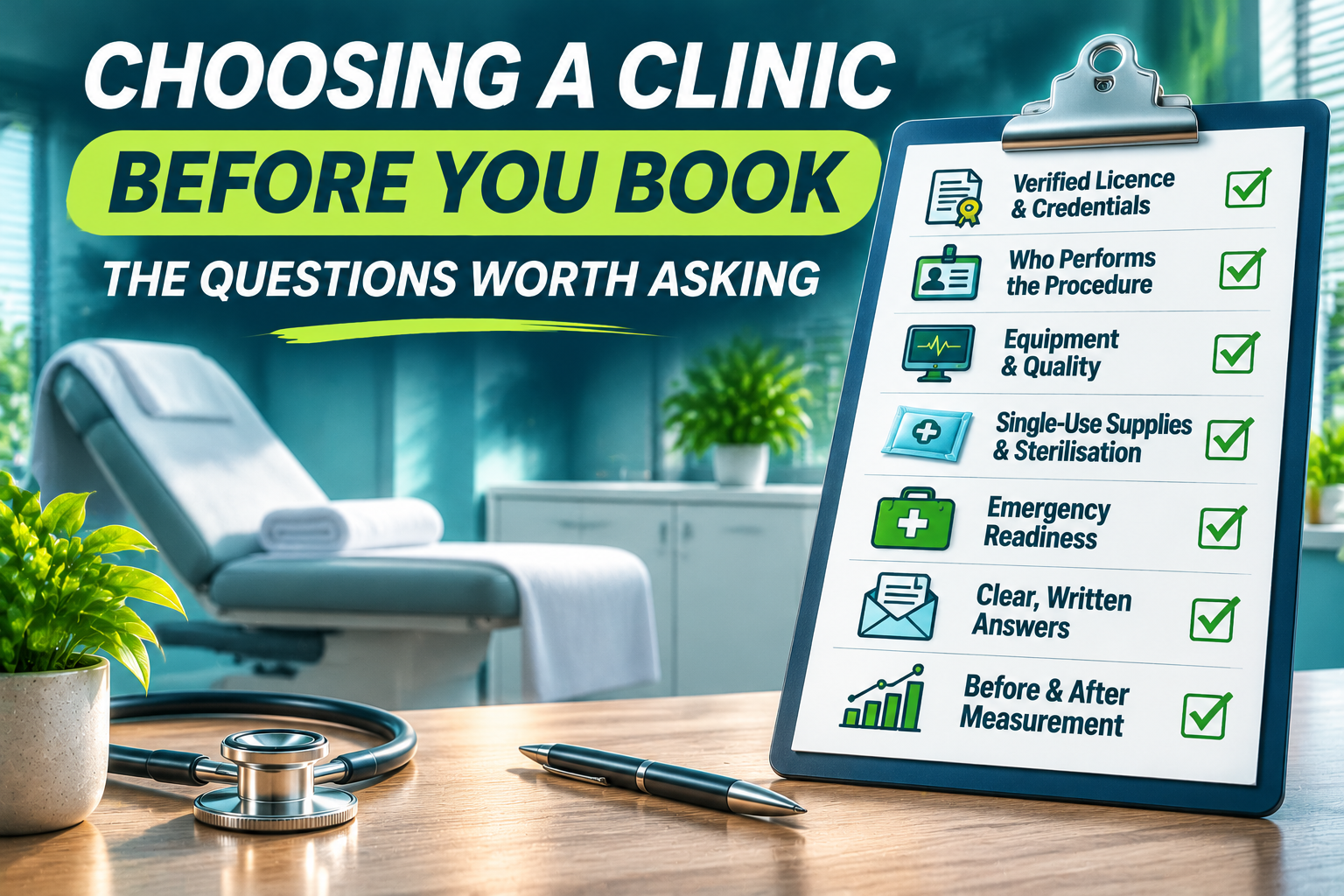
We have written about the questions worth asking a clinic. This is the other half, and it is the half that gets skipped.
Because the thing most likely to make any procedure less safe is not the procedure. It is something the person sitting in the chair did not think was worth mentioning.
Why people leave things out
In my experience it is almost never deliberate. It comes down to three things, and all three are understandable.
The first is simply not thinking it is relevant. Somebody books a circulation procedure and does not mention a neurological condition, because in their mind those are different departments. They are not different departments once you are on a table.
The second is embarrassment. Mental health treatment, recreational substances, how much someone actually drinks, a condition they do not enjoy discussing. People edit, and the edit is usually in the most important part.
The third is the one I think about most: fear of being turned away. Somebody has waited, saved up, taken the day off, driven a long way. Saying the thing out loud might mean going home. So they do not say it.
Being turned away is the system working
I want to take that third fear apart, because it is the one that actually causes harm.
A clinic that would have declined you if it had known is a clinic you want making that decision with full information.
Nobody enjoys hearing “not today.” But the version where you withhold something, go ahead, and it turns out to have mattered is far worse than a wasted journey — and the version where you tell them, they adjust, and it goes ahead safely is the most common outcome of all. Most disclosures change the plan rather than cancel it: a different schedule, a slower approach, a check with another clinician first, a note on the file.
The things most often left out
From years of asking, these are the categories that go missing.
- Neurological conditions. Epilepsy above all, but also migraine with aura, previous head injury, anything involving fainting or loss of awareness.
- Everything you take. Not just prescriptions — supplements, herbal preparations, over-the-counter painkillers, and anything bought online. With doses, not just names.
- Mental health treatment. Entirely routine to us and entirely relevant.
- Implanted devices. Pacemakers, pumps, stents, plates, cochlear implants. Every one gets checked against its own manufacturer’s limits.
- Recent illness. A chest infection two weeks ago matters. So does a cold this morning.
- Pregnancy, or the possibility of it.
- Alcohol and recreational substances. An honest number, not a polite one. Nobody is judging; several interact with procedures.
- Anything a clinician has previously advised against. This is the single most valuable thing you can disclose and the most commonly omitted.
A worked example: why epilepsy matters on a procedure day
This one is worth spelling out, because it shows how a condition that seems unrelated becomes very relevant — and it is the clearest illustration of why disclosure is not box-ticking.
Look at what a procedure day actually involves. An early start. A disrupted night before. Possibly fasting. A changed routine. Sometimes a dose taken late, or skipped because of instructions about eating.
Now look at the clinical list of seizure triggers. And sleep deprivation sits second. A procedure day is, without anybody intending it, a day that stacks the two biggest triggers on top of each other.
None of that makes a procedure impossible. It makes it something to plan around — a later appointment slot, explicit instructions that the medication is taken as normal, a conversation about what to do if fasting conflicts with a dose. All of which requires somebody to have said the word epilepsy out loud.
It also means the room should know what to do. Everyone working with the public should be able to manage a seizure competently — including the things not to do, and it is worth asking any clinic whether its staff know them. The fuller write-up is at The Nerve Health Institute.
And the part that is not ours to advise on
If you have epilepsy, never adjust anti-seizure medication around a procedure without your neurologist — not the timing, not the dose, not a skipped one because of fasting instructions. If instructions from a clinic appear to conflict with your prescription, that is a question for the prescriber, and the answer comes before the appointment rather than on the morning.
With appropriate use of anti-seizure medicines. Nothing is worth interrupting that for — certainly not an elective procedure. The practical systems for keeping a routine intact are at BodyChargers.
What a good clinic does with what you tell it
You should expect three things, and their absence is informative.
It should change something — the plan, the timing, the monitoring, or at minimum a note on your file that somebody reads back to you. Information that disappears into a form nobody mentions again was never really collected.
It should be asked about again at the appointment, not only at booking. Things change between the two.
And it should be met without a flicker. A practitioner who reacts to a disclosure with surprise or discomfort is telling you something about how often they ask.
What we do with it
EBOO is a circulation and oxygenation procedure. What it is and how a session runs are set out in what EBOO is, how it works and what to expect in a session, with the wider landscape in types of oxygen therapy.
What we ask for is everything above, with doses, before anything is booked. We decline and postpone more often than people expect, and we would rather be the clinic that does. Whether a procedure is appropriate for any individual is a decision made with a clinician who has assessed them — and we are glad to speak to whoever else is treating you.
If saying it out loud is the hard part
Some of this is genuinely uncomfortable to say to a stranger. A few things that help.
Write it down beforehand and hand the list over, which removes the need to perform the conversation. Bring somebody with you if that is easier. Ask for a few minutes in private rather than at a front desk. And if you have a medical bracelet, wear it — it is the first thing anybody looks for.
If it is the procedure rather than the disclosure making you anxious, how to stay calm during a procedure is written for that.
Frequently asked questions
What should I tell a clinic before a procedure?
Every condition including ones that seem unrelated, everything you take with doses — prescriptions, supplements, over-the-counter and anything bought online — mental health treatment, implanted devices, recent illness, pregnancy or its possibility, honest alcohol and substance use, and anything a clinician has previously advised against.
Will I be turned away if I tell them everything?
Usually not. Most disclosures change the plan rather than cancel it — a different time slot, a slower approach, a check with another clinician. And a clinic that would have declined you had it known is exactly the clinic you want deciding with full information.
Why does epilepsy matter for an unrelated procedure?
Because a procedure day often means an early start, a disrupted night, fasting and a changed routine — and missed medication and sleep deprivation are the top two items on the clinical seizure trigger list. It is entirely plannable, but only if the clinic knows.
Should I change my medication timing to fit procedure instructions?
Not without the prescriber. If fasting or timing instructions appear to conflict with your prescription, ask them before the appointment rather than deciding on the morning. For anti-seizure medication in particular, nothing elective is worth interrupting treatment for.
Do I really need to mention supplements?
Yes, with doses. Supplements, herbal preparations and over-the-counter medicines all interact with procedures and medications, and they are among the most commonly omitted items.
What if I find it difficult to say out loud?
Write it down and hand the list over. Bring someone with you. Ask for a few minutes somewhere private rather than at a front desk. And wear a medical bracelet if you have one.
Before you book
Write the list. Everything you take, everything you have been diagnosed with, and anything anyone has ever told you to be careful about.
Then get in touch or read the FAQ — and expect us to ask for more than you offer.
Dr. Chris Cormier, DC
EBOO Prime — circulation and oxygenation
Clinic care at nervehealth.com. At-home protocols at bodycharger.com. More on how I practise at drchriscormier.com.
Spark your cells to optimal longevity.